The Executive Energy Ladder: A 4-Window Sound System for Better Decisions, Deeper Focus, and Faster Recovery
A CEO-ready sound protocol to reduce decision fatigue, protect focus, and improve sleep using four daily energy windows and practical implementation steps.
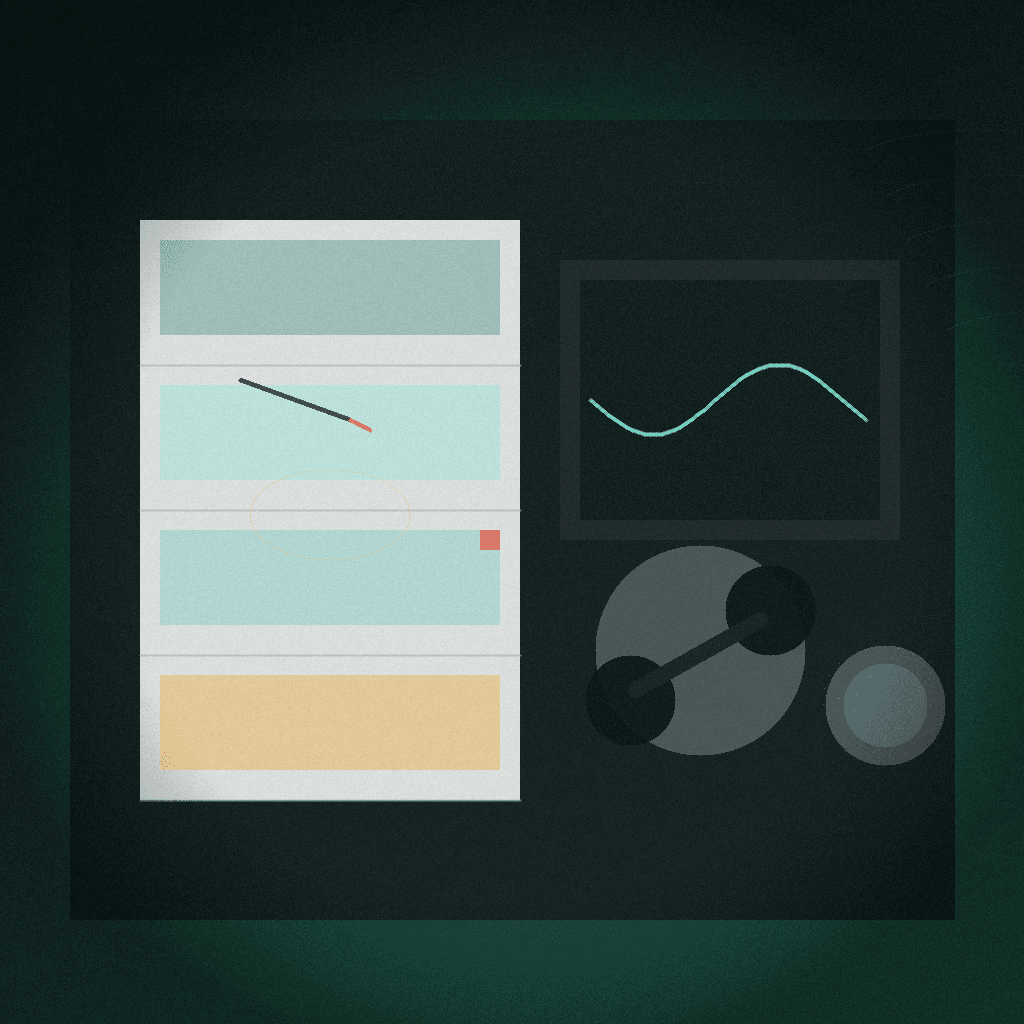
The Executive Energy Ladder: A 4-Window Sound System for Better Decisions, Deeper Focus, and Faster Recovery
Most leaders don’t fail because they lack strategy. They fail because they spend their best cognitive energy on the wrong moments.
By 2:30 PM, many founders and executives have already made dozens of decisions: hiring calls, pricing trade-offs, product priorities, customer escalations, investor updates, and team feedback. The result is predictable: shallow attention, reactive communication, and “good enough” calls where high-quality judgment was needed.
The hidden cost isn’t just stress. It’s business drag:
- Slower decisions in high-leverage moments
- Lower-quality thinking in ambiguous problems
- More time spent reworking decisions that weren’t truly thought through
- Poorer evening recovery, which compounds tomorrow’s performance
The fix is not “work harder,” “wake up earlier,” or “drink more coffee.”
The fix is energy architecture.
This article introduces a practical framework for Ozia users: a 4-Window Energy Ladder that matches sound-supported mental states to the real executive day. It’s simple enough to run immediately, but robust enough to become a long-term operating system for performance.
Why executives need an energy system (not just a productivity system)
Traditional productivity advice optimizes tasks. Executive reality demands optimizing state transitions.
You don’t just need to “do work.” You need to move cleanly between:
- Strategic depth
- Social intensity (meetings, negotiations, feedback)
- Tactical execution
- Recovery and sleep readiness
Without intentional transitions, one mode contaminates the next:
- A tense call leaks into deep work
- A rushed deep-work block leaks into family time
- Late cognitive load leaks into sleep latency
- Bad sleep leaks into next-day judgment
This is where sound becomes operational—not decorative.
When used intentionally, sound helps reduce transition friction and supports mental-state targeting: focus, calm, downshift, and sleep preparation.
The 4-Window Energy Ladder
Think of your day as four windows. Each window has one objective, one risk, and one sound strategy.
Window 1: Prime (Start of workday, 15–25 minutes)
Objective: move from scattered morning context to directed strategic intent.
Risk: opening inbox/chat first and burning prime cognition on other people’s agendas.
Sound strategy: low-to-mid intensity focus state to anchor attention before inputs flood in.
Prime protocol
- Sit down before opening communication apps.
- Run a 5-minute planning pass: top 1 strategic outcome, top 1 bottleneck, top 1 conversation that matters.
- Start a 10–15 minute Ozia focus soundscape while drafting your “first decisive move” for the day.
- Only then open email/Slack.
Window 2: Deep Work (One or two 50–90 minute blocks)
Objective: high-value cognitive production.
Risk: pseudo-work and fragmented multitasking.
Sound strategy: sustained focus track with minimal novelty.
Use one calendar-protected block, define a single done condition, keep comms closed first 30 minutes, and use Ozia timer structure for entry/exit.
Window 3: Social Load Management
Use 3–7 minute resets between demanding interactions:
- No immediate app switching
- 3 minutes of calming downshift audio
- Capture: what was decided + what remains open
- Enter next meeting with one sentence intention
Window 4: Recovery Descent
20–35 minutes evening routine:
- shutdown capture
- 10–15 minute relaxation soundscape
- low-light wind-down, no work inputs
Implementation checklist
Weekly
- [ ] 4 protected deep-work blocks
- [ ] top 3 Tier-1 decisions identified
- [ ] reset buffers between dense meetings
- [ ] nightly shutdown windows on 4 evenings
- [ ] selected Ozia tracks for Prime/Focus/Reset/Recovery
Daily
- [ ] Prime before comms
- [ ] one focus block with clear done condition
- [ ] one between-meeting reset
- [ ] unresolved loops captured before evening
- [ ] short recovery descent before sleep
Common pitfalls
- Treating sound as background, not protocol
- Overengineering routines
- Starting deep work without done conditions
- Ignoring transition friction
- Leaving recovery to chance
FAQ
Is this only for CEOs?
No, it works for any high context-switching role.
How quickly will results show?
Transition clarity in 3–5 days, decision quality trends in 2–3 weeks.
Is this ADHD-friendly?
Yes, especially with short externalized state anchors.
Final thought
The best leaders don’t leave cognition to chance. They design repeatable conditions for clear thought, fast recovery, and steady decision quality under pressure.
Run this 4-Window Energy Ladder for 14 days, track the outcomes, and keep what works.
CTA — Try Ozia Free for 7 Days
Build your Prime, Focus, Reset, and Recovery stack in minutes and test the Executive Energy Ladder for 14 days.
Start: https://www.ozia.live iOS: https://apps.apple.com/app/ozia-focus-relax-sleep/id6756796500?l=en-GB